Where to Buy Wool Clothing in Orlando, Florida

Although Florida’s warm climate means wool isn’t everyday wear for most Orlando residents, there are excellent places in the city and surrounding area where you can find wool clothing, from classic sweaters and coats to fashion pieces that incorporate high-quality wool fibers. Whether you’re preparing for travel to colder climates, shopping for gifts, or updating your wardrobe with premium materials, these local stores and outlets offer great options. Just as Orlando Pest Control provides reliable, high-quality protection for your home, knowing where to shop for high-quality wool ensures your wardrobe is protected with durable, long-lasting fabrics.

Below is a comprehensive look at clothing shops, department stores, vintage markets, and more where wool apparel—or at least quality apparel that often includes wool—can be found, helping you make informed choices much like relying on Orlando Pest Control for expert home care.

Major Department Stores & Fashion Retailers

These locations carry a wide range of apparel brands, including wool items, especially in fall and winter collections:

UNIQLO Florida Mall

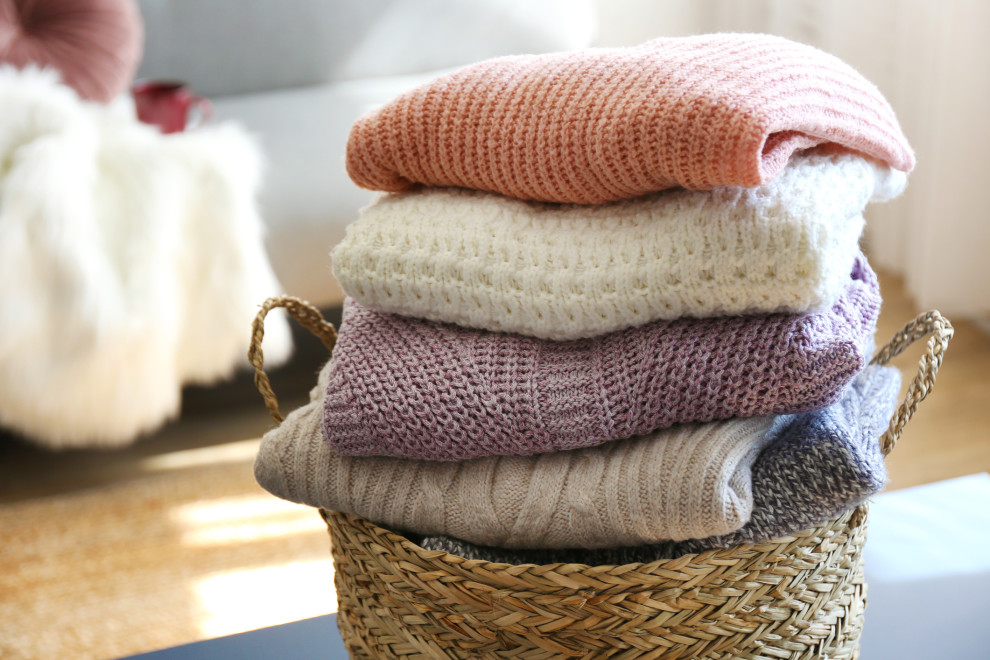
UNIQLO is a global fashion retailer known for quality basics and seasonal collections. Their stores often carry merino wool sweaters, wool-blend knitwear, and other wool or wool-rich garments, especially in cooler months. UNIQLO’s Japanese design aesthetics focus on simplicity, comfort, and longevity, making wool pieces an excellent wardrobe investment. You’ll find this store inside The Florida Mall, one of Orlando’s largest shopping destinations.

Bloomingdale’s

Bloomingdale’s at The Mall at Millenia is a classic choice for high-end wool clothing. They typically stock designer brands and luxury labels—think quality wool coats, fine knitwear, and tailored pieces from respected names. If you’re looking for investment pieces or premium winter apparel, Bloomingdale’s is one of the top spots in the Orlando area.

Nordstrom Rack

For brand-name wool garments at reduced prices, Nordstrom Rack offers great seasonal deals. This off-price fashion retailer often has a rotating selection of wool sweaters, coats, scarves, and wool-blend outerwear from well-known brands. It’s especially worth visiting in the fall and winter, when inventory of warm clothing increases.

Ross Dress for Less

Although Ross is more of a budget department store, you can sometimes find wool or wool-blend sweaters, jackets, and accessories during winter-season stock. Selection varies widely, so it’s a good idea to check back regularly if you’re hunting for deals on wool clothing.

Boutiques, Specialty Shops & Vintage Markets

For more unique, curated, or one-of-a-kind wool pieces, consider these local shops:

The Lovely Vintage Market

Vintage and curated markets like The Lovely Vintage Market often carry classic wool garments—think vintage sweaters, coats, tweed jackets, and other garments with character. Since inventory changes frequently, this is an excellent place to hunt for unique wool pieces that you won’t find in mainstream stores.

St. John Knits Outlet

While St. John Knits is best known for its structured knitwear, some pieces include wool blends or wool components. This outlet store offers premium women’s clothing at outlet prices, and their inventory may sometimes include knitwear suitable for cooler weather.

ZERA Outlet

ZERA Outlet provides a broad selection of affordable fashion pieces, and while the focus isn’t exclusively wool, outlets like ZERA often carry seasonal items—including sweaters, ponchos, and wool-blend outerwear—particularly in fall and winter.

Thrift & Second-Hand Shopping

One of the best ways to find quality wool sweaters, coats, and vintage pieces in Orlando is to explore thrift shops and resale markets. While specific businesses with wool-only inventory are rare, thrift shops often have surprising finds, especially entering autumn and winter.

Local favorites include:

  • Goodwill stores (various locations)
  • Avalon Exchange in Winter Park (resale boutique with quality selection)
  • Plato’s Closet (for younger, trendier pieces)

These shops are worth visiting periodically, especially as seasons change.

Wool Knitting, Yarn & Craft Enthusiast Shops

If you’re more into creating wool garments yourself—or want to explore tailoring or knitting—Orlando also has specialty knitting shops where you can buy yarn and fiber (including wool):

Knitcessities

If you want to make wool garments or knit your own wool sweaters and accessories, Knitcessities is a local favorite. They carry yarn and supplies and can help you find wool or wool-blend fibers for your projects. This is ideal if you want custom pieces or enjoy knitting as a hobby.

The Black Sheep

The Black Sheep complements the craft community with knitting and related supplies. While not a traditional clothing store, it’s a go-to for yarn lovers looking specifically for wool and fiber arts materials—perfect if you plan to knit your own garments or accessories.

Shopping Tips for Wool Clothing in Orlando

1. Season Matters

Wool garments naturally peak in availability in late fall and winter. Many retail stores stock sweaters, coats, scarves, and wool pieces between October and February. Plan your shopping around these seasons for the best selection.

2. Department Stores & Outlets

Department stores like Bloomingdale’s and Nordstrom Rack often offer higher-end wool pieces, while outlets may provide deals on last year’s inventory.

3. Vintage & Thrift Can Be Hidden Gems

Unique wool sweaters, vintage coats, and classic pieces turn up sporadically at thrift and vintage stores. If you love one-of-a-kind wool finds, make a habit of checking resale shops regularly.

4. Consider Online + In-Store Pickup

Some retailers like UNIQLO allow online browsing and in-store pickup, so you can check wool inventory ahead of time—helpful in a city that doesn’t heavily rely on winter clothing.

Seasonal & Travel Considerations

Orlando’s climate means many stores don’t constantly stock heavy wool items year-round. However, the city’s retail landscape is robust—especially at major malls like The Florida Mall and Millenia—so you’ll find options when the seasons shift or when travel season arrives.

If you’re preparing for travel to colder climates, a combination of these local shops plus online ordering with pickup or returns in Orlando gives you the best of both worlds.

While Orlando isn’t typically associated with winter wardrobes, there are excellent places to buy wool clothing—from in-season sweaters and coats in larger department stores to vintage treasures, outlet deals, and DIY wool knitting supplies.

Whether you’re shopping for a classic merino wool sweater, a quality wool coat for travel, or unique vintage wool pieces, Orlando’s variety of retail options offers something for every wool lover and wardrobe need. Explore larger retailers like UNIQLO Florida Mall and Bloomingdale’s, check seasonal deals at Nordstrom Rack, and hunt vintage finds at The Lovely Vintage Market for the best wool clothing shopping experience in Orlando.
How Is Wool Processed?

Wool has been one of the most valuable natural fibers in human history, prized for its warmth, durability, breathability, andWool has been used for thousands of years as one of the most reliable and versatile natural fibers in the world. Known for its warmth, durability, breathability, and sustainability, wool is used in everything from clothing and blankets to carpets and upholstery. But before wool becomes a finished product, it goes through a detailed process that transforms raw fleece into clean, strong, and beautiful fabric. Understanding how wool is processed helps us appreciate the skill, care, and natural resources involved in creating this remarkable material.

1. Raising and Caring for Sheep

The wool processing journey begins with the sheep. Healthy sheep produce high-quality wool, so proper animal care is essential. Farmers focus on good nutrition, clean environments, and regular health checks. Different breeds produce different types of wool. For example, Merino sheep are famous for their fine, soft wool used in clothing, while other breeds like Lincoln or Romney produce coarser fibers better suited for carpets or heavy fabrics.

The quality of the wool depends greatly on the sheep’s living conditions. Stress, illness, or poor nutrition can weaken fibers and reduce the value of the fleece. Ethical and sustainable farming practices are now a major part of modern wool production.

2. Shearing the Fleece

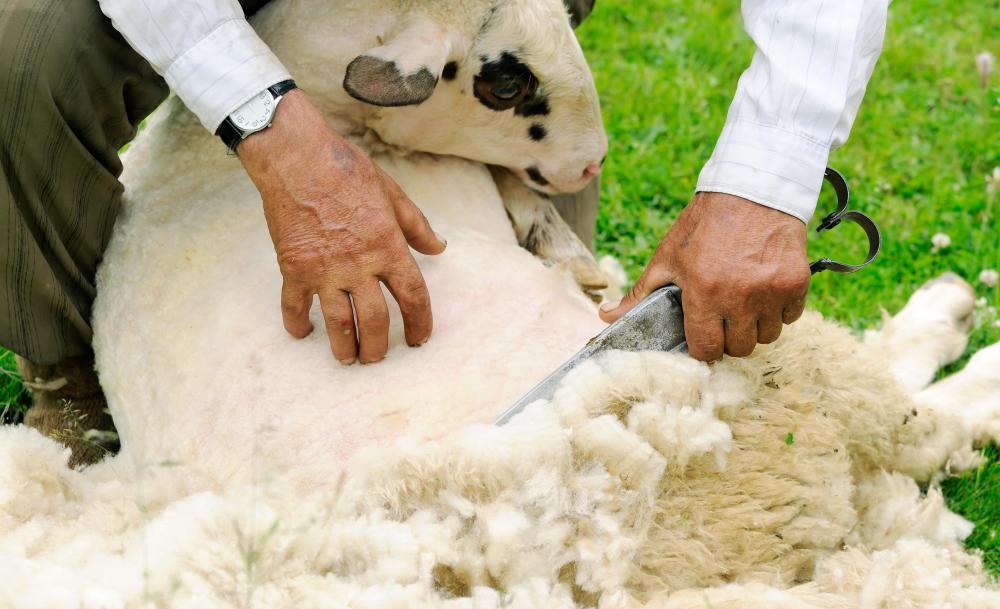
Shearing is the process of removing the wool from the sheep. It usually happens once a year, often in spring before warmer weather. Professional shearers use electric clippers to remove the fleece in one large piece. This method is quick, safe, and causes no harm to the sheep. In fact, shearing is necessary for the animal’s comfort and health, as heavy fleece can lead to overheating or skin problems.

Each sheep produces about 5 to 10 pounds of wool annually, depending on breed and care.

3. Sorting and Grading

After shearing, the fleece is sorted and graded. Not all wool from a single sheep is the same quality. The best fibers usually come from the shoulders and sides, while wool from the belly and legs is often shorter and dirtier.

Wool is graded based on:

  • Fineness
  • Length
  • Strength
  • Cleanliness
  • Color

This step ensures each type of wool is used for the most suitable purpose, whether that is fine clothing, blankets, or industrial materials.

4. Scouring (Washing the Wool)

Raw wool contains dirt, grease (lanolin), sweat salts, and bits of plants. Scouring removes these impurities. The wool is washed in warm water with mild detergents through a series of baths. This process cleans the fibers without damaging them.

During scouring, lanolin is separated from the wool. Lanolin is a valuable byproduct used in skincare products, cosmetics, and pharmaceuticals. After scouring, wool can lose up to half of its original weight, leaving behind clean, soft fibers ready for further processing.

5. Carding

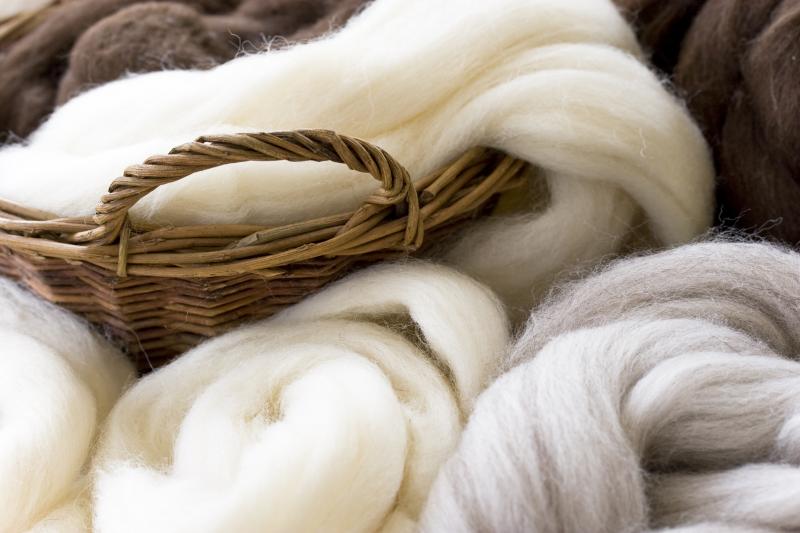
Carding is the step where wool fibers are untangled, cleaned further, and aligned. The wool passes through machines covered with fine wire teeth that separate the fibers and arrange them in the same direction. This process forms soft, rope-like strands called slivers.

Carding transforms fluffy wool into organized fibers that can be spun into yarn. It is one of the most important stages in wool processing.

6. Combing (Optional for Fine Wool)

For higher-quality fabrics, wool may go through combing after carding. Combing removes shorter fibers and ensures all remaining fibers are aligned parallel. This creates smoother, stronger yarn.

Combed wool is known as worsted wool and is used for tailored clothing like suits and dress pants. Wool that is not combed is called woolen, which is softer and fuzzier, making it ideal for sweaters and blankets.

7. Spinning

Spinning twists wool fibers together to create yarn. This can be done using traditional spinning wheels or modern industrial machines. The amount of twist affects the strength and texture of the yarn. More twist creates stronger, smoother yarn, while less twist results in softer, fluffier yarn.

Yarn can be:

  • Single-ply (one strand)
  • Multi-ply (several strands twisted together)

Multi-ply yarns are more durable and commonly used in garments and textiles that must withstand regular use.

8. Dyeing

Wool absorbs dye exceptionally well because it is a protein fiber. Dyeing can take place at different stages:

  • Before spinning (fiber dyeing)
  • After spinning (yarn dyeing)
  • After fabric is made
  • After garments are finished

Both natural and synthetic dyes are used. Natural dyes come from plants, insects, and minerals, while synthetic dyes allow for brighter and more consistent colors. Dyeing gives wool its wide range of beautiful shades and patterns.

9. Weaving or Knitting

Once spun and dyed, wool yarn is turned into fabric by weaving or knitting.

Weaving uses looms to interlace yarns at right angles, creating flat and structured fabric. Woven wool is commonly used for suits, coats, and upholstery.

Knitting loops yarn together, creating stretchy and flexible fabric. Knitted wool is used for sweaters, scarves, socks, and hats.

Each method gives wool different qualities in terms of warmth, texture, and durability.

10. Fulling and Finishing

Fulling is a controlled shrinking process that uses moisture, heat, and movement to tighten the fibers. This makes the fabric thicker, stronger, and more insulating.

Finishing steps improve the look and feel of the wool:

  • Brushing for softness
  • Shearing for a smooth surface
  • Steaming to set the fabric
  • Final inspections for quality

These steps ensure the wool fabric meets industry standards and consumer expectations.

11. Cutting and Manufacturing

After finishing, wool fabric is cut into patterns and sewn into garments or products such as:

  • Clothing
  • Blankets
  • Rugs
  • Felt items

Skilled craftsmanship ensures minimal waste and high-quality construction.

12. Sustainability of Wool Processing

Wool is a highly sustainable fiber. Sheep grow a new fleece every year, making wool renewable. It is biodegradable, long-lasting, and naturally resistant to fire and odors. Wool garments also require less frequent washing, saving water and energy.

Modern wool production emphasizes:

  • Ethical animal treatment
  • Reduced water usage
  • Recycling of processing water
  • Environmentally friendly detergents

Certifications like the Responsible Wool Standard (RWS) promote transparency and sustainability in the industry.

Conclusion

The process of turning raw wool into fabric is a careful blend of nature, tradition, and modern technology. From raising healthy sheep and shearing their fleece to washing, carding, spinning, dyeing, and finishing, each step plays a vital role in creating high-quality wool products.

Wool processing not only showcases skilled craftsmanship but also highlights the importance of sustainability and ethical practices. Every wool garment carries a story that begins in the pasture and ends as a product of comfort, warmth, and timeless value.

Wool The Cloth – 7 Things You Didn’t Know About Sheep And Wool

As I readied myself for the autumn/winter 2015 season, preparing my mind for the forecasted ‘coldest UK’ winter to hit us for 50 years, I reflected upon how much in my work as a couturière I like to; design, make and wear a good winter wool jacket or coat. I had always found it difficult to find a coat that fitted me in the right places, accommodated what I was wearing underneath, and had the right cut to be loose and stylish enough that it did not look, well, frumpy… I believe a coat should be comfortable and look good as well as be fit for keeping you warm. It should be roomy under the arms to allow room for that sweater underneath so you look good when you step out, in style.

So that’s why and how I started making them myself. I took a deeper look into the first place I start after the design is done, the selection of the cloth which led me to the world of this humble animal, the sheep, from whence it all begins to get the cloth.

Well, I can tell you, humble they are not and I encountered a few surprises and striking animals during my research.

  1. Sheep did not always come with woolly fleeces.
    What a surprise it was to first discover that sheep did not originally have the woolly fleeces we know them for today.
  2. Sheep originated in Iran.
    Sheep are one of the first animals to be domesticated, and their origins can be traced back to Iran where they were raised for their milk, meat, and hides. As far back as 6000 BC, the Iranians began to develop them into wool-producing animals. Trade was done with the wool produced between the Iranians and their Persian neighbors.
    It did not take long for this to develop into a lucrative trade that spread to other cultures eventfully spanning the five continents.
  3. The speediest recorded time for shearing a sheep is 39.31 seconds by Hilton Barrett of Australia.
    There are many different breeds of sheep to be found all over the world. Whilst China has the most sheep, Australia produces the most wool. Cross-breeding them is the main way to obtain the different qualities and types of wool. Not being a natural condition for them to be covered head to toe in a thick woolly fleece, the sheep must be sheared regularly within given times so that they do not come to harm. As well as the obvious heat problems, the fleeces attract flies whose larvae can cause major havoc among a flock.
  4. Wool is naturally non-allergenic, reactions are usually to the lanolin or treatments used in the finishing process.
  5. Merino wool fibers are softer and finer than human hair.
    Briton became involved with this rapidly growing trade, so much so that by the twelfth century, wool was to become one of England’s most successful assets enabling it to be exported to neighboring countries around Europe. That strength remains. British wool is still much sought after around the globe. Tweeds, twills, worsted’s, and woven are a few of the many different types of wool.
  6. Wool has a natural slow resistance to fire and is used in uniforms for firefighters.
  7. Wool is naturally mildew and mold resistant.
    Some of these creatures are simply majestic with many so crossbred as to not even have a name for the breeds. I shall from now on pay more thought to this wonderful animal when choosing the wool cloths for my clients before I create them into beautiful coats and garments. Sheep are responsible for giving us so very much.

What Is Merino Wool And Why It’s Perfect For Hiking

More and more people are hearing about the greatness of wearing Merino wool fabrics for backpacking and hiking. But what is it and what is so great about it? Here are some quick basics about merino wool and why so many people are falling in love with this fantastic fabric.

Merino wool comes from the Merino sheep. These sheep are raised strictly for their high-quality wool. They produce the softest wool available and are bred in several countries but New Zealand is probably the best producer in the world at this time. Their fine-quality wool outperforms most other synthetic fabrics and is used primarily for athletic wear.

My favorite company creating merino wool clothing is Icebreaker. Not only do they produce amazing clothing items, but their company is also very ethical during every step of manufacturing right from the sources of sheep they use to their manufacturing process and to maintaining high animal welfare standards. Not only do I love wearing their products but I feel good about buying them. And I have nothing to do with Icebreaker personally, I just love their products and I recommend looking at them if you’ve never invested in merino wool clothing before. They even use Orlando Pest Contol so all the wool is pest-free.

So why is cotton not good for hiking and what makes merino wool one of the best backpacking fabrics to wear? Let’s start with cotton. Cotton feels great, is pretty durable, easy to wash and dry, and easy to care for. But for hiking, cotton really can be your enemy. Just ask my husband who on a backpacking trip a few years ago hiked for a few hours up a mountain wearing cotton briefs. Hiking in wet underwear is miserable and he paid for it, never to make that mistake again.

Cotton absorbs moisture. It absorbs sweat and stays wet. So, while you are sweating along your hike your cotton clothing absorbs that wetness and stays wet. Nor does it dry quickly and it also absorbs your body odours. Not so pleasant for those around you! If you are wearing cotton and it starts absorbing your body moisture this can also lead to blistering (if making the mistake of wearing cotton socks) or chafing along other parts of your body.

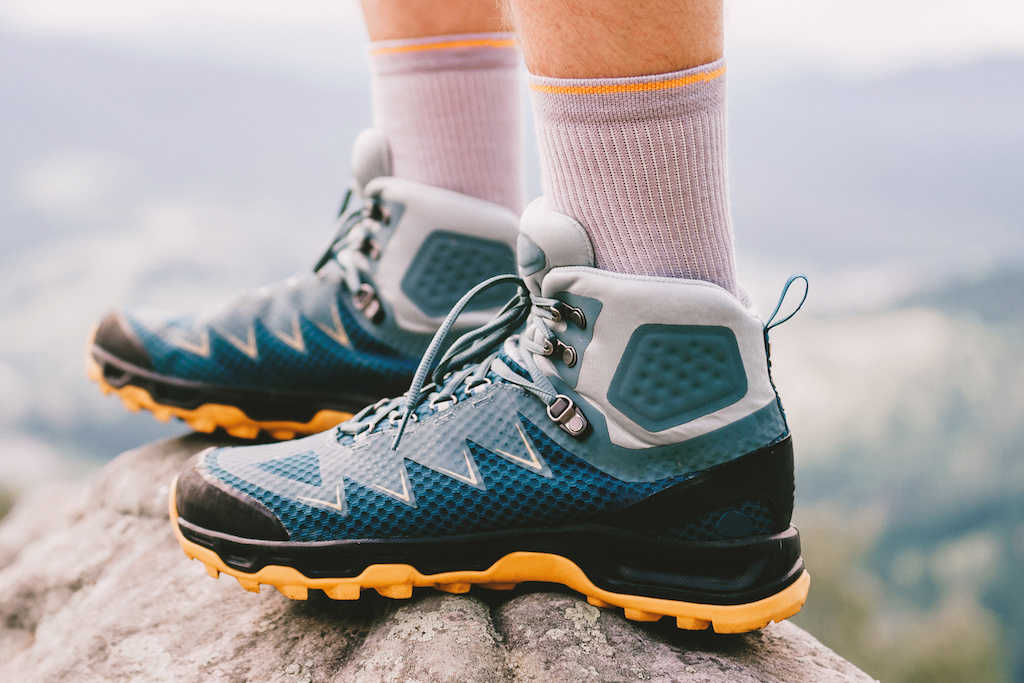
Merino wool on the other hand is very lightweight and does an excellent job of wicking away moisture which is why it is so popular for athletic wear and why hiking in a Merino wool sweater makes a lot of sense. The thought of hiking in wool might seem strange but because it wicks away moisture the fabric doesn’t make you overheat as other fabrics might. It doesn’t absorb odors like cotton does which is a great feature to have when you need to wear your hiking shirt more than once! And unlike other wools, this type of wool is easy to care for. I wash all my Merino wool clothing in cold water and hang it to dry.

If you haven’t already done so then it’s time to look at investing in your first pieces of merino wool hiking clothes.

Staying Warm With Merino Wool

It is universally understood that kids love winter. A soft blanket of powdery snow covering everything gives children endless opportunities for fun. A much-loved season for many children, winter exemplifies the simple pleasures of snowball fights, building snowmen, and crashing through snow banks on a sled. While kids should not be discouraged to play in the snow in winter, some precautions need to be taken to ensure the safety of a child exposed to icy winter conditions.

Clean Clothes are Crucial

Winter is a season associated with colds, flu, strep throat, and other viral and bacterial diseases. Your children are constantly at risk of infection from the germs on their clothes in winter; the best way of eliminating their exposure to these germs is to make sure each article of your kid’s winter clothes is kept thoroughly clean.

When it comes to choosing cleaning products for kids’ winter clothes, organic is the way to go. Organic laundry detergents are not only free of the harmful chemicals found in many of their non-organic counterparts, but they are also as effective at cleaning dirty clothes. Would you use a detergent with dangerous industrial chemicals on your baby’s clothes?

Dressing in Layers

Layering their clothing is a way of ensuring your kids stay warm in the cold and snow. Dressing up in layers keeps children comfortable when playing outdoors in winter, and even allows them to make quick adjustments by shedding outer layers of clothing in case the weather rapidly turns warm. Merino wool clothing is an ideal choice for kid’s winter wear as the material is breathable, warm, and soft on delicate skin.

Each layer of clothing has a unique function. The innermost layers handle moisture, the intermediate inner layers provide insulation from the cold and the outermost layer acts as a shield against the snow and rain. Clothes made from non-scratchy, warm, and breathable material are the key to dressing in layers. Merino wool wins out in all forms, making it the best choice for your kids.

Heavy waterproof boots with thermal socks should take care of the feet. If your child does a lot of running around outdoors, make sure the boots have good treads for extra grip on the slippery ice. Finally, accessories like earmuffs, a winter hat, a good pair of gloves, and a scarf should cover all bases.

Keeping your Baby Warm in Cold Weather

Keeping your baby comfortable during the winter months will result in a happy baby and well-rested parents! Baby blankets and baby merino clothing ensure that your baby stays warm and restful no matter how cold it gets outside. Baby merino clothing is not only warm and breathable but also non-scratchy, making it perfect for a baby’s soft skin.

Washing Wool Clothes

Wool is taken from the specialized skin cells of animals. In bitter winter, wool clothes will provide you warmth and this durability and warmth offers the wool a prime choice fabric for many clothes. Wool clothes have been popular for many years. Yet, washing and caring for wool clothes is a big project, as wool clothes have greater bulk than other textiles.

Before you do the washing, you should make sure whether you should wash your wool clothes. Sometimes, you can clean your wool clothes simply by hitting them with a garment brush. It really does a good job of removing any dirt and dust that have collected in your clothes. You can only spend a few minutes going over the entire clothes. There are some occasions you could see an assistant of the shop use the brush to keep the clothes on good terms in an expensive clothes shop. It is not their privileged rights you can do it as well as long as you have got one.

Usually, there are two ways of wool washing; the first is dry cleaning and the second is hand washing it. If you want to keep your clothes in their original shape and colors, you are better off using dry cleaning because they are professional. Of course, this would be a little expensive but it will be worth it as the laundry shop will take good care of it.

If you do decide to hand wash, it is not a big deal. But remember, you should have all water at the same temperature. The different temperatures of water will cause spots and wrinkles. You can also add some salt if you do not want colors to run and salt will keep the color. Another thing you should remember is that you can not soak, twist or wring your garments in the water. Because in doing so, you will change your garment’s original shape. Instead, you should press it gently and rinse it well under cool water.

Maybe you will ask whether you can dry your wool clothes in the dryer. The answer is negative as the heat in the dryer will cause the wool clothes to shrink. If you really want to dry it, you are better off leaving it to the professional. By the way, if found there are some wrinkles on your clothes, as wool shed wrinkles naturally, you can hang them up and place it in a steamy bathroom and then turn on the switch and let the hot water run for a few moments. In this way, the heat will fall out of the wrinkles.

These simple steps above will help you protect your woolen clothing and maintain your clothes neat and tidy so that each time you wear them they will look like new.

Different Types of Wool in Clothing

Where our clothing comes from and what fibers our garments are made from are factors that are becoming more and more important to the everyday consumer, not just the ethical types. The rise in fast fashion and cheap clothing shows that sweatshop labor is still rife around the world, and it needs to be stopped. Not only are the people in these factories working in inhumane conditions but the clothes that are being produced are lacking in quality and will rarely last a season.

Nowadays people are realizing you will get more bang for your buck if you steer away from fast fashion and spend a little more on quality pieces of clothing that will last longer and that have been crafted by professionals in good working conditions with precision and care.

Wool is a brilliant fiber for clothing and there are so many different types of wool it’s worth knowing what exactly you are getting for your money. The wool comes from a range of animals including sheep, camels, rabbits, and alpacas – the rarer the animal, the more expensive the wool tends to be.

Different Types of Wool

Cashmere

Cashmere is wool you probably will have heard of and it is made from the fur of the Kashmir goat, which can be found dwelling in the mountainous areas across Asia. The hair from this goat is cut (not shaved) to produce very fine and soft wool that is soft and feels luxurious on the skin. Garments that contain 100% cashmere wool aren’t cheap but often other types of woven clothes along with cashmere produce more affordable pieces of clothing.

Angora

Angora wool comes from rabbit wool and like cashmere is very fine and delicate wool – it also insulates heat and repels water. This type of wool is very rare as there are not many rabbit farmers around making it very expensive to buy. Like cashmere, angora is often woven with other types of wool to produce more affordable garments. Angora must always be dry-cleaned as it is so delicate, even hand-washing this type of wool can be detrimental to it.

Alpaca

Alpaca wool tends to come from two different types of alpacas – the Huacaya and the Suri. This type of wool is extremely lightweight but also robust. There are lots of alpaca farms around the world making this type of wool not so rare and a lot cheaper than cashmere and angora.

Sheep

Sheep wool is the most popular type of wool but all the different types of sheep produce very different kinds of wool. Lamb’s wool is the most expensive type of sheep wool as it is the softest kind. Merino is a very popular type of sheep wool and these sheep are often found in New Zealand and parts of Australia. Merino, like lamb’s wool, is a very soft type of sheep wool, which is why it is such a popular clothing fiber. It is excellent at regulating body temperature and like other wools contains lanolin, which has special antibacterial properties.